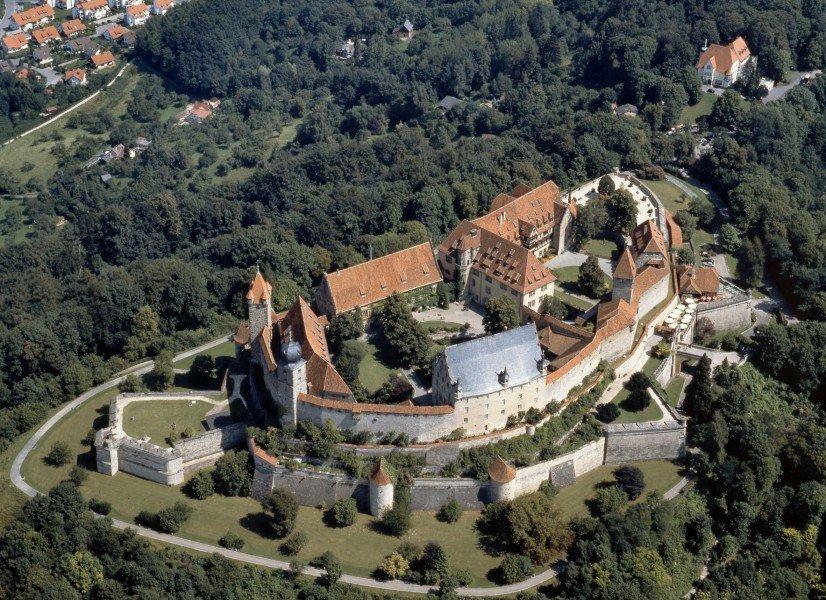
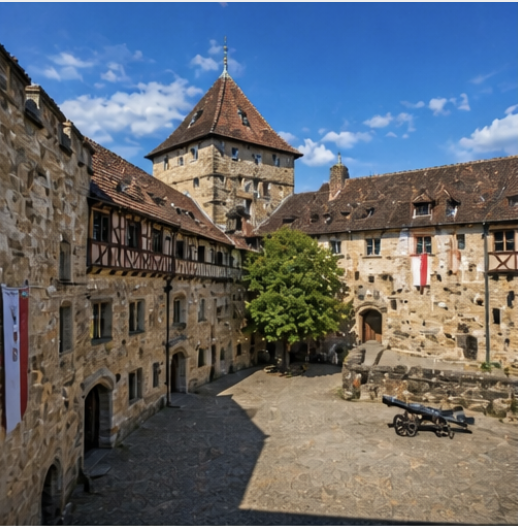
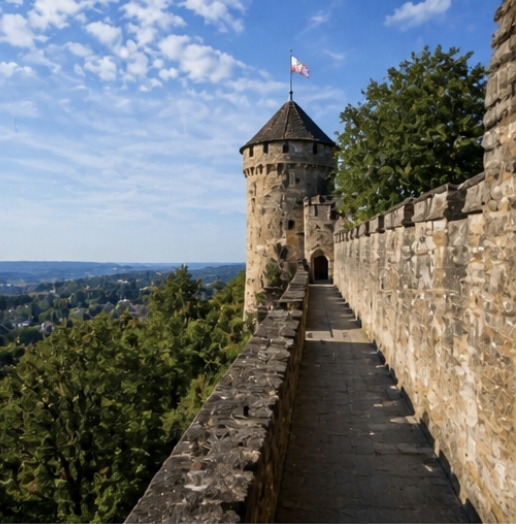
Veste Coburg—often referred to as Coburg Castle—is one of the largest and best-preserved medieval fortresses in Germany, dramatically perched atop a hill overlooking the town of Coburg in Bavaria.
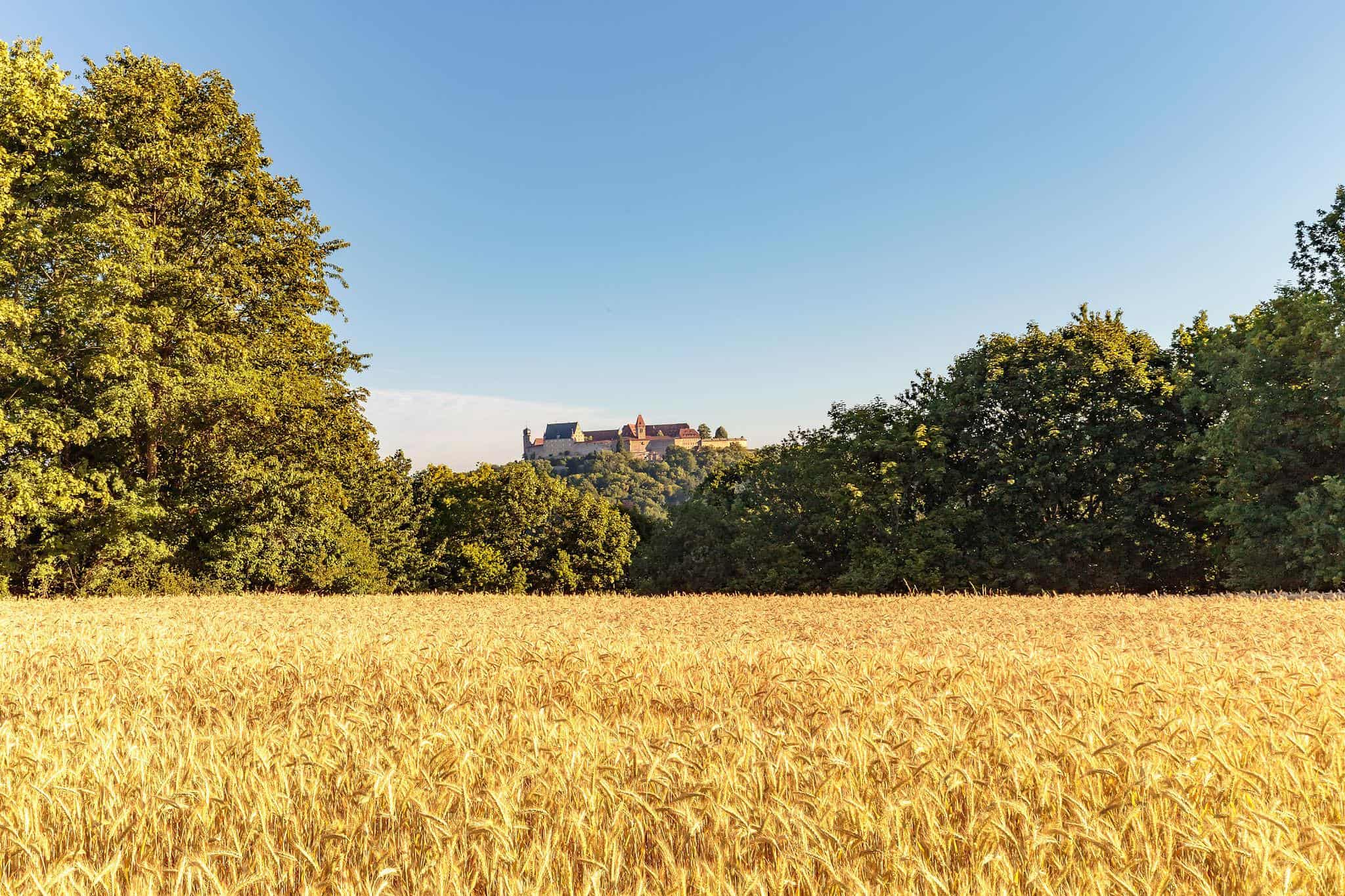
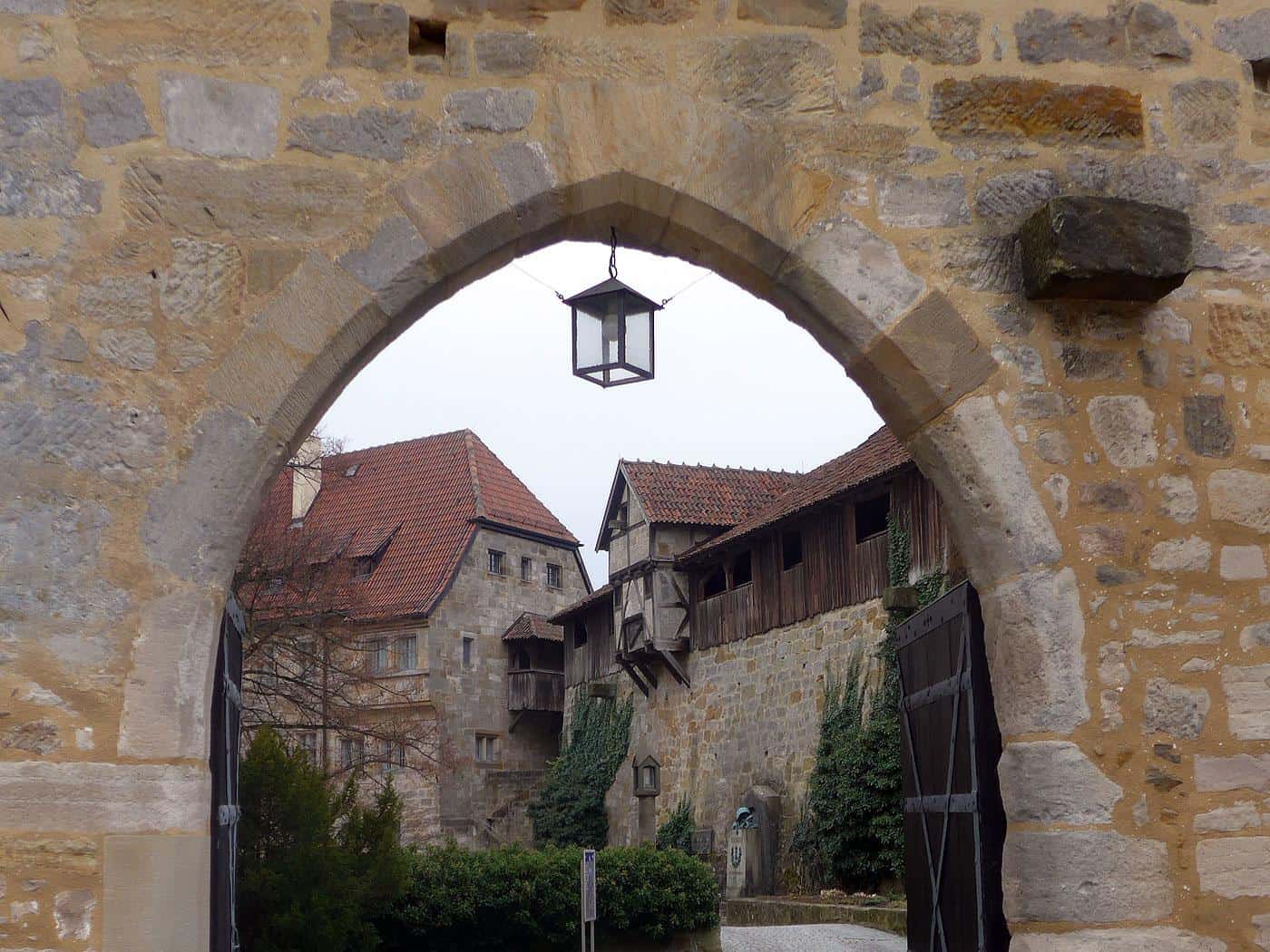
First documented in the 11th century, the fortress expanded over time into a massive defensive complex and served as a residence for the powerful Dukes of Saxony-Coburg.
It played a notable role in European history, including sheltering the Protestant reformer Martin Luther in 1530 during the Diet of Augsburg, where he worked on translating the Bible.
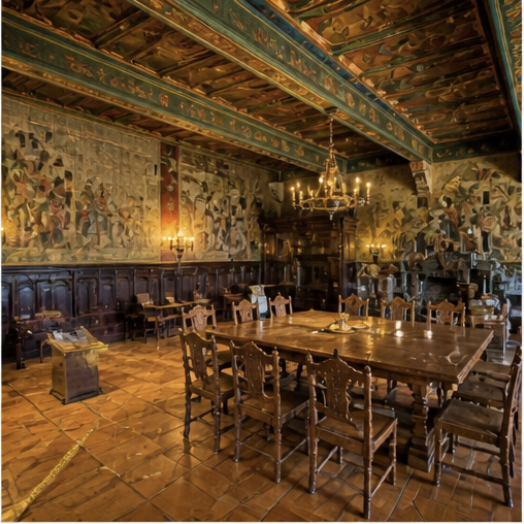
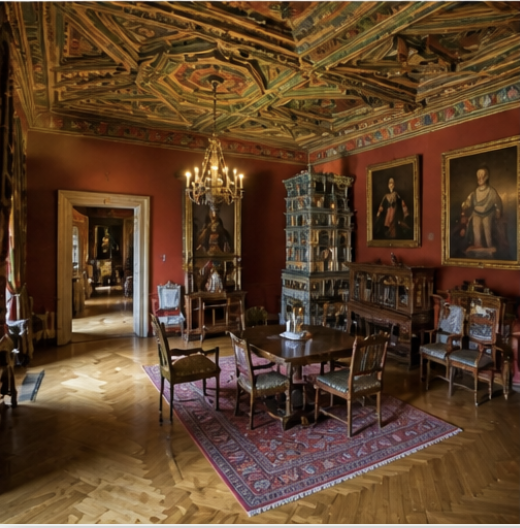
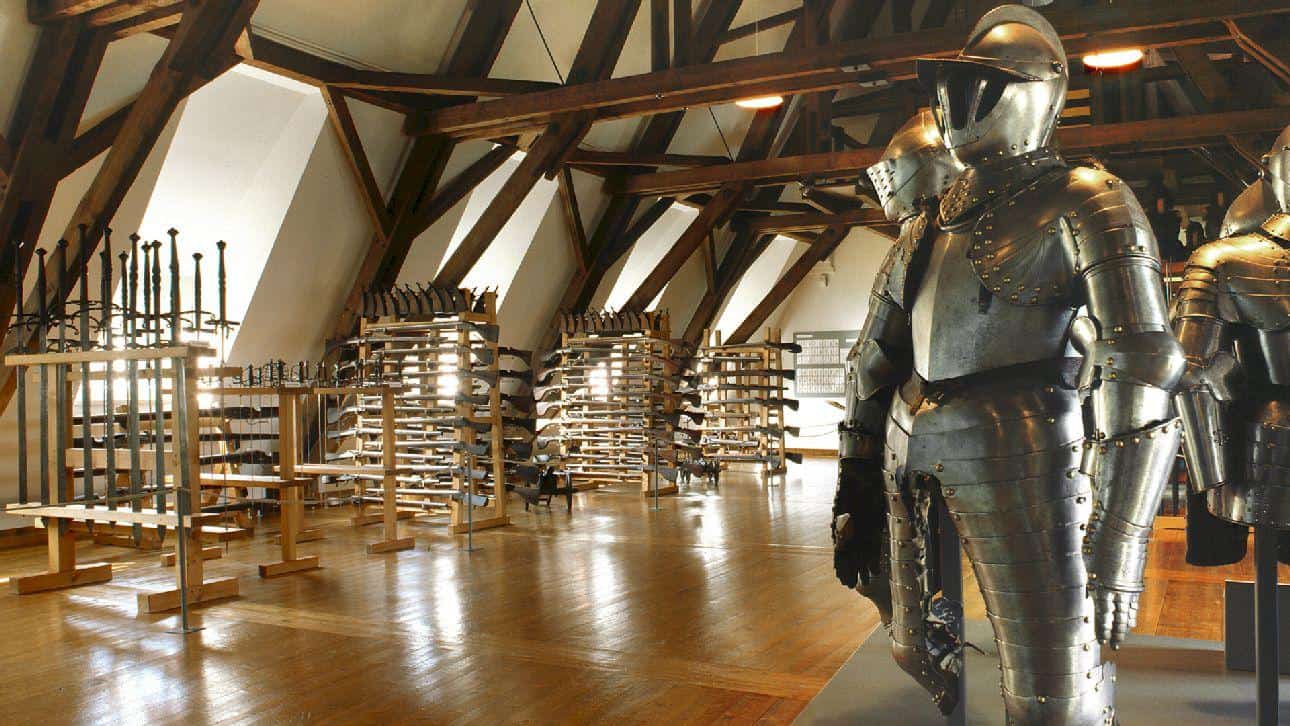
Unlike many castles that fell into ruin, Veste Coburg remained largely intact and now houses an impressive collection of art, weapons, and historical artifacts.
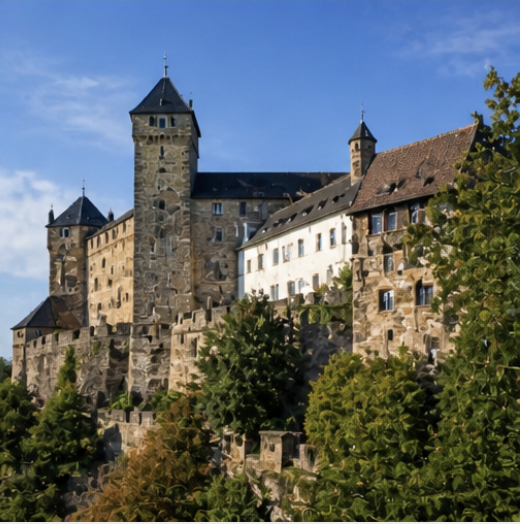
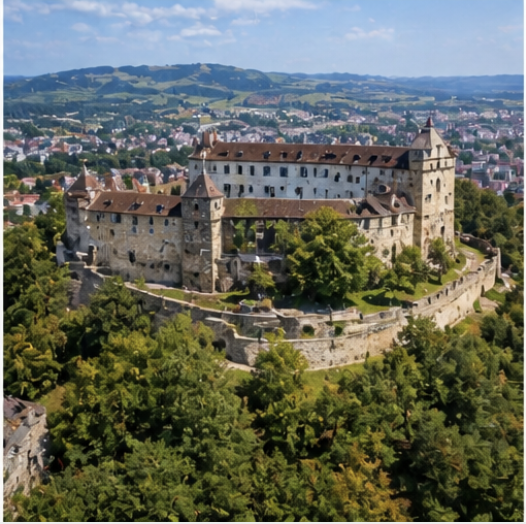
With its thick stone walls, expansive courtyards, and panoramic views of the surrounding countryside, the fortress stands as a striking example of medieval military architecture and a lasting symbol of regional power and cultural heritage.